When You’re “Doing Fine” but Feel Completely Stuck
There’s a particular kind of exhaustion that doesn’t look like burnout. You’re functioning. You’re showing up. You’re doing what needs to be done. From the outside, everything appears fine. But inside, you feel frozen.
Not dramatic. Not falling apart. Just quietly, deeply stuck.
If you’ve ever found yourself thinking, “I don’t understand why I can’t move forward when nothing is technically wrong,”you may be experiencing something called functional freeze. And no—there is nothing wrong with you.
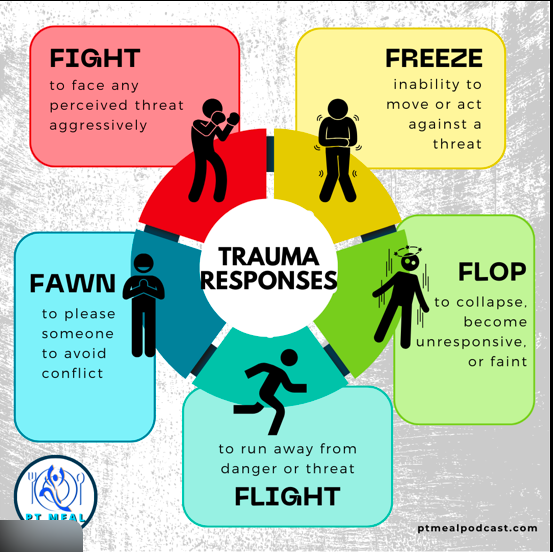
Functional freeze is a nervous system response rooted in trauma, prolonged stress, or chronic emotional overload. It occurs when the body decides that neither fighting nor fleeing feels safe, so it adapts by shutting down just enough to survive. You keep going, but only on the surface.
From the outside, you may look capable and composed. Inside, everything feels heavy, muted, or stalled. This isn’t laziness. It isn’t a lack of motivation. And it certainly isn’t a character flaw.
Research from the National Institute of Mental Health explains that long-term stress can dysregulate the nervous system, keeping the body stuck in survival mode long after the original threat has passed. In other words, your body may still be protecting you from something that no longer exists in the present.
Functional freeze often hides behind productivity, which makes it difficult to recognize. You may still take care of responsibilities and show up for others, yet feel disconnected from yourself. Things that once brought joy feel flat. Decision-making feels overwhelming, even for small choices. You may find yourself procrastinating, not because you don’t care, but because your system feels paralyzed. Rest doesn’t seem to restore you, and gratitude doesn’t quite reach the emptiness you feel inside.
Many people experiencing functional freeze are caregivers, parents, trauma survivors, empaths, or individuals who have spent much of their lives being “the strong one.” They didn’t collapse. They adapted. They learned to survive by staying still on the inside while continuing to function on the outside.
One of the most misunderstood aspects of functional freeze is the belief that pushing harder will fix it. In reality, pressure often makes it worse. When your nervous system already feels unsafe, forcing yourself to move faster only reinforces the shutdown. Functional freeze does not respond to discipline or self-criticism. It responds to safety.
This response is especially common in people who grew up in emotionally unpredictable environments, experienced grief or abandonment, or learned early to suppress their own needs. At some point, slowing down emotionally—or disconnecting altogether—felt like the safest option available. That was survival, not weakness.
Functional freeze is often confused with depression, and while they can overlap, they are not the same. Depression is frequently marked by sadness, hopelessness, or despair. Functional freeze tends to feel more like numbness, stagnation, or disconnection. Many people describe it by saying, “I’m not exactly sad—I just don’t feel much at all.” Understanding this difference matters, because the path forward is different.
Healing functional freeze isn’t about doing more or trying harder. It’s about gently restoring a sense of safety within the body. Before motivation can return, regulation must come first. When the nervous system begins to feel calmer, clarity follows naturally.
This process often starts small. Instead of asking yourself big, overwhelming questions about the future, it can be more helpful to focus on what feels manageable today. Safety grows in consistency, not urgency. Even small moments of grounding can begin to thaw the freeze.
Acknowledging what your body has been through can also reduce shame. You don’t need to relive trauma in order to heal it. Simply recognizing that your nervous system adapted for a reason can bring compassion into the process. When you stop interpreting freeze as failure, it often loosens its grip.
Functional freeze does not mean you’ve stopped caring. It means you’ve been caring for a long time without adequate rest, support, or emotional safety. Your system didn’t shut down to punish you. It shut down to protect you.
With patience, gentleness, and the right kind of support, your nervous system can come back online—slowly, safely, and in its own time.
If you recognize yourself in these words, let this be a reminder you can return to when self-doubt creeps in. You are not behind. You are not failing. You are healing in a way that prioritizes survival first, and that matters.
Movement will return. Clarity will come back. For now, honoring where you are is enough.
────────────────────────────────
This post may contain affiliate links. As an Amazon Associate, I earn from qualifying purchases at no additional cost to you. I only recommend books that align with the heart and mission of LuvMyCrazy.
📚 Helpful Books on This Topic:
The Functional Freeze Formula- by: Petra Burnbauer
Related Reading on LuvMyCrazy
Why Highly Empathetic People Burn Out Faster: How to Protect Your Peace
The Difference Between Being Strong and Emotional Exhaustion
Loving Someone From a Distance Without Losing Yourself
NAMI (National Alliance on Mental Illness)
If you or someone you love is struggling with grief or loss, you’re not alone. There are organizations that offer free support, guidance, and community: #988