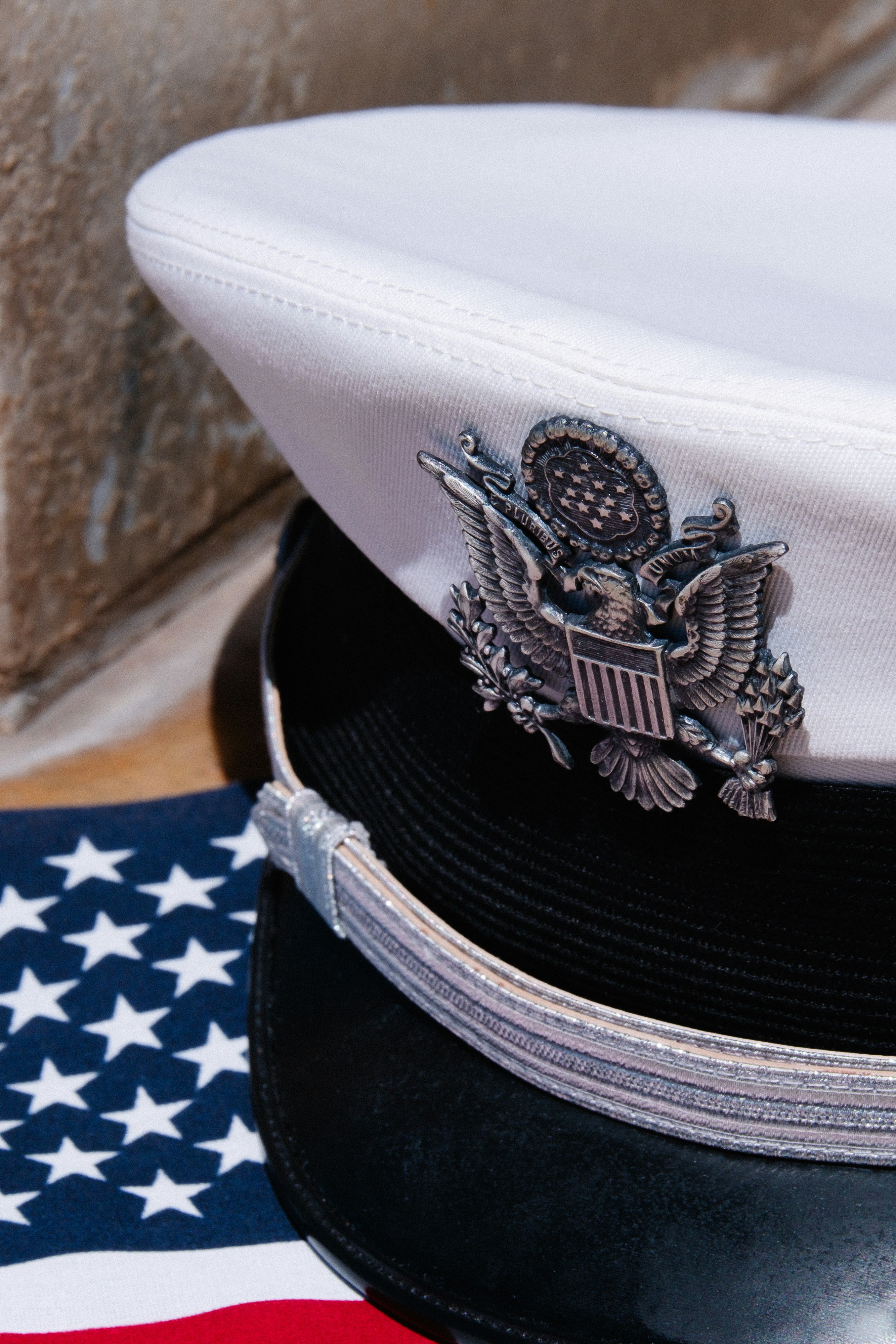
When we think of military service, we think of bravery, sacrifice, and strength. We see uniforms, medals, and ceremonies honoring courage. What we don’t always see is the silent battle many veterans continue to fight long after they return home.
For some, the war does not end when deployment does. It follows them into everyday life — into sleep, into relationships, into moments that should feel safe. PTSD in veterans is not rare. It is not weakness. It is the nervous system carrying trauma that the body has not yet been able to release.
I lost a dear friend to suicide after his service. He survived combat, but he did not survive the aftermath. That reality has stayed with me. It forces us to ask hard questions about how we support those who have risked everything for our freedom.
Understanding PTSD in Veterans
Post-traumatic stress disorder (PTSD) can develop after experiencing or witnessing life-threatening events. For many veterans, combat exposure, repeated high-alert states, and traumatic incidents leave lasting imprints on the brain and body.
PTSD may show up as hypervigilance, nightmares, emotional numbness, irritability, anxiety, or difficulty reconnecting with loved ones. Some veterans describe feeling constantly “wound tight,” unable to relax even in safe environments. Others feel detached — as if civilian life moves forward while they remain mentally anchored to moments they cannot forget.
Reintegration can be disorienting. After operating in survival mode, everyday tasks can feel strangely overwhelming. The shift from military structure to civilian unpredictability is not simple — and it deserves more acknowledgment than it often receives.
The Alarming Reality of Veteran Suicide
Veteran suicide is not simply a statistic. It represents fathers, mothers, brothers, sisters, and friends whose internal battles became heavier than the support surrounding them.
While organizations like the VA provide essential services, many veterans report barriers such as long wait times, complicated systems, stigma, or difficulty accessing consistent care. When someone is already struggling, even small obstacles can feel insurmountable.
We cannot ignore the reality that the mental health crisis facing veterans is serious. PTSD, depression, substance use, survivor’s guilt, and isolation often intersect. When left untreated or unsupported, that weight can become unbearable.
The courage it takes to serve should never be met with silence when the battle shifts inward.
How to Support a Veteran Struggling with PTSD
Supporting a veteran begins with listening. Not fixing. Not minimizing. Not rushing them to “move on.” Simply listening without judgment can create safety.
Encourage professional support gently. Therapy is not weakness; it is a tool. Trauma-informed care, peer support groups, and specialized veteran programs can make a meaningful difference. Sometimes offering to help them find resources or attend an appointment can remove a barrier they’re too overwhelmed to navigate alone.
Be patient with behaviors you may not fully understand. Hyper-alertness, withdrawal, mood shifts, or difficulty sleeping are often protective responses shaped by past experiences. Compassion does not mean tolerating harm, but it does mean recognizing trauma responses for what they are.
Stay connected. Isolation fuels despair. A simple text. A consistent check-in. A reminder that they matter. Those small gestures can anchor someone who feels untethered.
Advocating for Better Mental Health Support
Supporting veterans means more than honoring them one day a year. It means advocating for expanded mental health funding, faster access to trauma-informed care, and early intervention programs that prioritize prevention over crisis response.
It also means normalizing conversations about mental health in military communities. The stigma around seeking help remains a barrier. True strength includes asking for support when the burden becomes too heavy to carry alone.
Families, communities, faith leaders, and policymakers all play a role. Change happens when we refuse to look away from uncomfortable realities.
If You or a Veteran Needs Immediate Help
If you or someone you love is a veteran struggling with suicidal thoughts, confidential help is available 24/7 through the Veterans Crisis Line by calling 988 and pressing 1. You can also text 838255 or chat online at veteranscrisisline.net.
Reaching out is not weakness. It is an act of courage.
Honoring Service by Protecting Mental Wellness
If we truly want to honor our veterans, we must stand with them in the fight for mental wellness — not just in parades or patriotic words, but in tangible, sustained action.
My friend deserved support that matched his sacrifice. Every veteran does.
The war should not follow them home without us walking beside them.
This post may contain affiliate links. As an Amazon Associate, I earn from qualifying purchases at no additional cost to you. I only recommend books that align with the heart and mission of LuvMyCrazy
📚 Helpful Books on This Topic:
Once a Warrior Always a Warrior– by: Charles Hoge
Related Reading on LuvMyCrazy
Honoring Our Veterans
If you or someone you love is struggling with grief or loss, you’re not alone. There are organizations that offer free support, guidance, and community: #988